

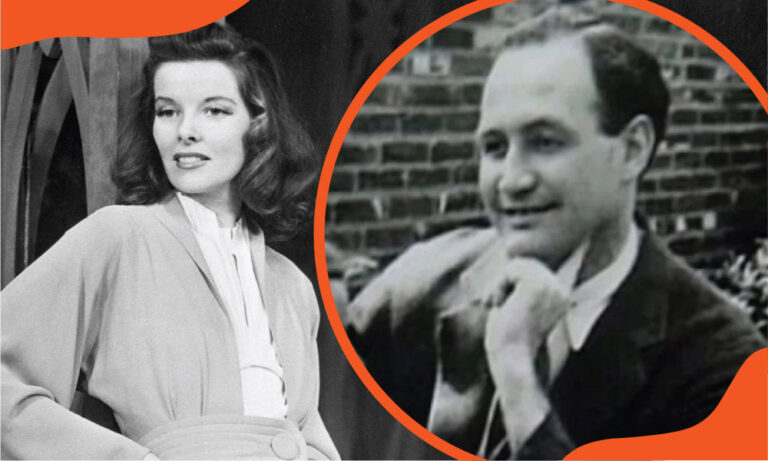
Introduction to Ludlow Ogden Smith
When people discuss the fascinating social circles of early twentieth-century America and Europe, the name Ludlow Ogden Smith often appears quietly in the background. He is most commonly remembered because of his marriage to celebrated writer and socialite Dorothy Parker, yet reducing his identity to that single relationship would overlook the complexity of his own life. Smith belonged to a generation of educated, socially connected Americans who moved comfortably through elite cultural spaces during a period of enormous social transformation.
Ludlow Ogden Smith was not a literary celebrity in the same way Parker became one, but his life offers a revealing look into the intellectual and social environment of the era. He represented the type of refined East Coast gentleman whose world revolved around education, conversation, social reputation, and personal networks. In many ways, he embodied the understated sophistication associated with upper-class American society in the early 1900s.
Although historical records about him are less extensive than those concerning his famous wife, interest in Ludlow Ogden Smith has grown in recent years. Readers who explore Dorothy Parker’s personal history often become curious about the man she married and the role he played during an important stage of her life. His story provides insight into relationships, class culture, and the emotional realities behind glamorous literary legends.
Another reason Smith continues to attract attention is that he reflects a broader historical pattern. Many individuals connected to famous artists and writers end up overshadowed by the larger public identities of their partners. Yet these people often contributed emotional support, companionship, and stability that shaped creative lives behind the scenes. In Smith’s case, his marriage to Parker remains one of the most discussed aspects of his biography, but it also opened a window into the social dynamics of the Jazz Age and literary America.
Understanding Ludlow Ogden Smith requires looking beyond headlines and anecdotes. His life was influenced by privilege, personal ambition, romantic complications, and the rapidly changing world around him. While he may never have sought public fame, his connection to one of America’s sharpest literary voices ensured that his name would remain part of cultural history.
Early Life and Family Background
Ludlow Ogden Smith was born into a socially established American family during a time when family lineage and education carried tremendous importance. The Smith and Ogden names were associated with respectable social standing, and this background provided him with opportunities that many Americans of the period could only imagine. Growing up in such an environment meant exposure to refined manners, intellectual conversation, and the expectations of elite society from an early age.
The late nineteenth and early twentieth centuries were marked by enormous economic growth in the United States. Families with wealth and social influence often cultivated strong ties to universities, cultural institutions, and prominent social organizations. Smith’s upbringing reflected this atmosphere. Men from his social class were expected to become cultured, educated, and professionally successful while maintaining a dignified public image.
Education played a major role in shaping individuals like Ludlow Ogden Smith. Young men of his background were encouraged to develop polished communication skills and broad cultural knowledge. These qualities helped them move comfortably within upper-class circles where social relationships were often as important as professional accomplishments. Although Smith never became a major public intellectual or writer himself, he clearly belonged to a world deeply connected to literature, journalism, and artistic culture.
His early life also unfolded during a fascinating historical moment. America was becoming increasingly modern, urban, and internationally influential. Technological innovation, changing social values, and expanding media industries were transforming daily life. For educated young people living in affluent circles, this period created opportunities for travel, social exploration, and participation in vibrant cultural communities.
Family expectations likely shaped Smith’s personality and outlook. Men from established families were often taught restraint, composure, and loyalty to social traditions. This reserved style may partly explain why Ludlow Ogden Smith remains somewhat mysterious compared to louder, more publicly expressive figures from the same era. He was not someone who aggressively pursued celebrity status or public attention.
At the same time, the privilege associated with his upbringing probably gave him confidence in elite social settings. This would later prove important when he became involved with writers, critics, journalists, and artists who dominated intellectual circles in New York and beyond. His background helped him navigate these environments naturally, even if he was not personally seeking artistic fame.
Marriage to Dorothy Parker
The most widely discussed chapter of Ludlow Ogden Smith’s life is undoubtedly his marriage to Dorothy Parker. Their relationship has fascinated literary historians for decades because it combined romance, intellect, humor, and emotional complexity. Parker, known for her razor-sharp wit and brilliant social commentary, became one of the defining literary voices of her generation. Smith entered her life before her fame fully exploded, making him an important figure during her formative adult years.
The couple married in 1917, during a period when Parker was beginning to establish herself professionally. At the time, she worked in magazine publishing and literary journalism, fields that were rapidly evolving in New York City. Smith reportedly admired Parker’s intelligence and humor, qualities that distinguished her from many women of the era who were expected to conform to stricter social expectations.
Their marriage represented an intriguing contrast of personalities. Parker possessed a famously sharp tongue and an emotionally intense nature, while Smith appeared more reserved and conventional. In some ways, this balance may initially have drawn them together. Relationships often thrive on complementary differences, especially among creative and intellectually curious individuals.
During the early years of their marriage, Parker’s career advanced significantly. She became associated with influential literary circles, including the legendary Algonquin Round Table, where writers, critics, and performers gathered for witty conversation and cultural debate. This environment helped transform Parker into a nationally recognized literary figure. Smith, meanwhile, occupied the more private role of spouse to an emerging celebrity personality.
As Parker’s fame increased, however, the pressures on their relationship also intensified. Creative ambition, emotional instability, professional demands, and changing social expectations placed strain on many marriages during this era. Parker herself was known for struggling with depression and complicated romantic relationships throughout her life. These challenges inevitably affected her marriage to Smith.
Although their relationship eventually deteriorated, it remains historically significant because it reveals the human side of literary fame. Behind Parker’s celebrated wit stood a real marriage filled with hopes, frustrations, compromises, and disappointments. Smith was not merely a footnote in Parker’s biography; he was part of a deeply personal chapter that influenced both of their lives.
Even after their separation, historians and readers continued connecting Ludlow Ogden Smith to Parker’s legacy. His name survived in biographies, memoirs, and literary discussions largely because of that relationship. Yet his continued presence in historical conversations also reflects the enduring fascination people have with the personal lives of famous writers.
Life Within New York’s Intellectual Society
One cannot understand Ludlow Ogden Smith without appreciating the cultural world he inhabited. Early twentieth-century New York was becoming a center of artistic experimentation, journalism, publishing, and social change. Writers, critics, editors, actors, and political thinkers gathered in restaurants, salons, hotels, and publishing offices to exchange ideas and shape modern American culture.
Smith moved within these elite social environments during a particularly vibrant period. Intellectual gatherings were not merely entertainment; they functioned as networks of influence where careers, friendships, and reputations were built. People who participated in these circles often developed intense emotional and professional connections that blurred the boundaries between work and personal life.
The famous Algonquin Round Table symbolizes this era better than perhaps any other institution. Although Parker became one of its best-known members, many associated individuals also contributed to the atmosphere surrounding the group. Smith’s connection to Parker naturally placed him close to these cultural circles, even if he was not the public star of the conversations.
The social culture of the time emphasized wit, sophistication, and verbal intelligence. Clever conversation was highly valued among journalists and writers, and individuals often competed through humor and intellectual sharpness. Parker excelled in this environment, becoming renowned for her biting one-liners and social observations. Smith, by contrast, seems to have occupied a quieter role, reflecting a more traditional social style.
Despite his lower public profile, being connected to these communities meant exposure to some of the most influential cultural figures of the era. Writers, editors, playwrights, and critics frequently interacted in overlapping social networks. These relationships shaped American literature, journalism, and entertainment during the 1920s and beyond.
New York society during this period was also deeply influenced by changing attitudes toward gender, relationships, and personal freedom. Women like Parker challenged traditional expectations by pursuing independent careers and public intellectual identities. Marriages often struggled to adapt to these evolving roles. Smith and Parker’s relationship can partly be understood within this broader social transformation.
The glamour associated with literary New York sometimes hides the emotional pressures experienced by people living within it. Constant social interaction, professional competition, and public scrutiny could create enormous stress. Individuals connected to famous artistic communities often found themselves balancing private emotional realities with public appearances of sophistication and success.
The Challenges Behind the Marriage
Although Ludlow Ogden Smith and Dorothy Parker began their relationship with affection and mutual admiration, the marriage gradually became strained. Historians examining Parker’s life frequently note that her emotional struggles and intense personality created complications in many of her relationships. Smith, despite his stability and social refinement, could not escape these difficulties.
One important factor was Parker’s growing professional success. As her literary reputation expanded, her public identity became increasingly dominant. Fame can place extraordinary pressure on relationships, especially when one partner becomes significantly more visible than the other. Smith reportedly struggled with aspects of this imbalance as Parker gained national recognition.
Another issue involved lifestyle differences. Parker’s social world revolved around writers, editors, actors, and intellectuals who often embraced unconventional behavior and emotionally dramatic relationships. Smith’s background, by comparison, reflected more traditional upper-class values emphasizing restraint and decorum. Over time, these contrasting approaches to life may have widened the emotional distance between them.
Alcohol also played a major role in many literary and social circles during the Jazz Age. Heavy drinking was common among writers and entertainers, and Parker herself became associated with this culture. Excessive socializing and emotional volatility frequently damaged personal relationships during this era. Such patterns likely contributed to the instability within the marriage.
Despite their problems, the relationship was not without genuine affection. Historical accounts suggest that Parker and Smith cared deeply for one another at various stages of their marriage. Relationships are rarely simple, especially when viewed through the lens of biography. Emotional attachment can coexist with frustration, incompatibility, and disappointment.
Eventually, the couple separated and later divorced, marking the end of a significant chapter in both their lives. Yet the conclusion of the marriage did not erase its importance. For Parker, the relationship represented part of her emotional and personal evolution. For Smith, it permanently connected his identity to one of America’s most influential literary personalities.
Modern readers sometimes romanticize literary marriages because of the fame associated with writers and artists. However, the story of Ludlow Ogden Smith and Dorothy Parker reminds us that these relationships involved ordinary human challenges alongside extraordinary cultural circumstances. Their marriage reflected the tension between personal intimacy and public identity in an age fascinated by celebrity and intellectual glamour.
Public Interest in Ludlow Ogden Smith Today
Interest in Ludlow Ogden Smith has persisted largely because modern audiences remain fascinated by the lives of literary figures and the people surrounding them. Readers exploring biographies of Dorothy Parker frequently encounter Smith’s name and become curious about the man who shared an important period of her life.
The internet and digital archives have also contributed to renewed attention. Historical photographs, literary essays, and biographical articles have made it easier for researchers and casual readers alike to explore lesser-known historical figures. Smith’s connection to Parker ensures that he continues appearing in discussions about early twentieth-century literary culture.
Part of this fascination comes from the contrast between public fame and private life. Dorothy Parker cultivated a public persona built on humor, sarcasm, and emotional intelligence. Yet behind that persona existed real relationships filled with vulnerability and complexity. Ludlow Ogden Smith represents part of the hidden personal history behind Parker’s public image.
There is also growing scholarly interest in the spouses and companions of famous cultural figures. Historians increasingly recognize that creative individuals do not exist in isolation. Their emotional relationships, domestic environments, and social networks significantly influence their lives and work. Studying Smith helps create a fuller understanding of Parker’s world.
Another reason people remain interested in Smith is the timeless nature of relationship dynamics. The challenges faced within his marriage to Parker — balancing ambition, emotional needs, public identity, and personal compatibility — still resonate with modern audiences. Although their story unfolded a century ago, many aspects of it feel surprisingly contemporary.
Biographical curiosity often extends beyond celebrities themselves to the people around them because these supporting figures humanize history. Famous writers can sometimes appear larger than life, but understanding their personal relationships reveals their emotional realities. Smith’s presence in Parker’s story helps readers see her not only as a legendary wit but also as a person navigating complicated human experiences.
Even though Ludlow Ogden Smith never achieved the enduring literary fame associated with Parker, his historical significance remains meaningful. He represents the quieter individuals whose lives intersect with major cultural figures and who, in subtle ways, become part of broader historical narratives.
The Historical Legacy of Ludlow Ogden Smith
Ludlow Ogden Smith’s legacy is unusual because it exists primarily through association rather than public achievement. Yet this does not make his story unimportant. History is filled with individuals whose significance emerges through relationships, context, and social influence rather than through highly visible accomplishments.
Smith serves as a reminder that cultural history is not built solely by celebrities and artistic geniuses. It is also shaped by spouses, friends, editors, patrons, and companions who participate in the environments where creativity flourishes. Without understanding these surrounding relationships, our view of historical figures remains incomplete.
His connection to Dorothy Parker guarantees that literary historians will continue mentioning his name. Parker remains one of the most quoted and admired American writers of the twentieth century, celebrated for her wit, poetry, criticism, and emotional honesty. Anyone studying her personal life inevitably encounters Ludlow Ogden Smith as part of her early adulthood and emotional history.
At the same time, Smith’s story reflects broader themes about identity and memory. Many people connected to famous individuals eventually become defined primarily through those relationships. This can overshadow their own personalities, ambitions, and experiences. Modern readers increasingly recognize the importance of examining these secondary figures with greater nuance and empathy.
There is also something compelling about individuals who remain partly mysterious. Unlike highly documented celebrities, Smith left behind fewer public records and dramatic self-presentations. This relative obscurity invites curiosity because it contrasts so sharply with Parker’s vivid literary voice and public reputation.
In cultural history, quiet figures often reveal just as much about an era as famous personalities do. Through Smith, readers gain insight into upper-class American society, literary culture, gender expectations, and relationship dynamics during the early twentieth century. His life helps illuminate the world surrounding Parker and the intellectual communities of the Jazz Age.
Ultimately, Ludlow Ogden Smith remains memorable not because he sought fame, but because his life intersected with important cultural movements and personalities. His story demonstrates how even relatively private individuals can become enduring parts of historical memory through the relationships and environments they inhabit.
Conclusion
Ludlow Ogden Smith occupies a fascinating place in literary and social history. Though often overshadowed by his marriage to Dorothy Parker, his life reflects far more than a simple biographical footnote. He was a product of elite American society during a transformative historical period marked by artistic experimentation, changing social norms, and the rise of modern celebrity culture.
His relationship with Parker remains the defining feature of public interest in his life, yet it also offers a deeply human story about love, ambition, emotional complexity, and incompatibility. Their marriage unfolded against the backdrop of New York’s vibrant literary scene, connecting Smith permanently to one of America’s most influential cultural eras.
What makes Ludlow Ogden Smith especially intriguing is the contrast between public visibility and personal significance. He never became a literary icon or public intellectual, yet his presence mattered within the intimate world of one who did. His story reminds readers that history is shaped not only by famous names but also by the quieter individuals standing beside them.
Today, interest in Smith continues because readers want a fuller understanding of Dorothy Parker’s life and the cultural environment surrounding her. As biographies and historical discussions evolve, figures like Ludlow Ogden Smith are increasingly appreciated for the context and humanity they bring to well-known stories.
In the end, Ludlow Ogden Smith represents more than merely “Dorothy Parker’s husband.” He symbolizes an entire world of understated social influence, intellectual culture, and personal complexity that defined a remarkable era in American history.
