

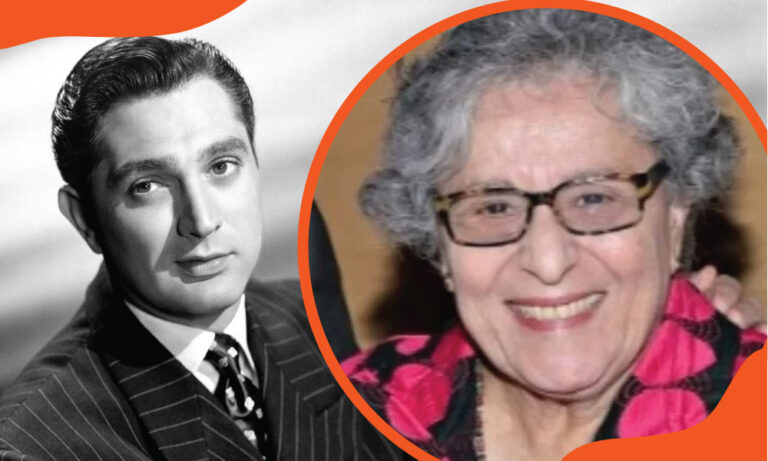
Introduction to Joan Browne
Joan Browne is a name associated with several notable figures throughout history, but one of the most recognized individuals bearing this name was an influential educational leader in the United Kingdom. She dedicated much of her life to improving teacher education and shaping modern educational practices. Her commitment to academic excellence and social progress helped leave a lasting mark on the institutions she served.
Throughout her career, Joan Browne demonstrated exceptional leadership skills and a strong belief in the transformative power of education. She worked during a period when women faced significant barriers in achieving senior leadership positions. Despite these challenges, she became one of the most respected educational administrators of her generation.
Her story is not only about professional success but also about perseverance, vision, and dedication to public service. Understanding her life provides valuable insights into the evolution of teacher training and educational development during the twentieth century.
Early Life and Educational Background
Joan Browne was born in Stockport, England, in the early twentieth century. Growing up during a time of social and economic change, she developed a strong interest in learning from a young age. Her academic abilities were evident early on, allowing her to pursue higher education when opportunities for women were still relatively limited.
She attended the prestigious Somerville College, where she studied history. Her time at university helped shape her intellectual outlook and strengthened her belief in the importance of education as a tool for social advancement. The rigorous academic environment encouraged her to think critically and develop leadership qualities that would later define her career.
After completing her studies, she trained as a secondary school teacher. However, the economic difficulties of the 1930s made finding employment challenging. Rather than becoming discouraged, she used this period to expand her knowledge and pursue research opportunities, demonstrating the resilience that would characterize her professional life.
Beginning Her Professional Journey
Like many ambitious educators of her era, Joan Browne began her career in classroom teaching. These early experiences provided firsthand insight into the challenges faced by teachers and students. She quickly recognized the importance of proper teacher preparation and professional development.
Her initial teaching positions allowed her to understand the practical realities of education. Working directly with students gave her a perspective that later informed her leadership decisions. Rather than viewing education solely from an administrative standpoint, she remained deeply connected to the needs of teachers and learners.
As she gained experience, her talents became increasingly apparent. Colleagues and supervisors recognized her ability to organize, inspire, and innovate. These qualities eventually opened doors to more significant leadership opportunities.
Leadership in Teacher Education
One of Joan Browne’s most important achievements was her role in teacher training and educational leadership. She became the founding principal of Coventry College of Education, an institution established to address the growing need for qualified teachers following World War II.
Taking on such a responsibility at a relatively young age was a remarkable accomplishment. Under her guidance, the college expanded rapidly and developed a reputation for academic excellence. She understood that effective teachers required more than subject knowledge; they also needed a deep understanding of educational theory, psychology, and professional practice.
Joan Browne championed comprehensive teacher education programs that balanced theoretical learning with practical experience. Her innovative approach helped shape standards that influenced teacher training across the country. She consistently advocated for higher-quality educational preparation and worked tirelessly to improve professional standards.
Vision for Educational Excellence
A defining feature of Joan Browne’s career was her unwavering commitment to educational excellence. She believed that teaching was a profession deserving of rigorous preparation and continuous development.
Her vision extended beyond basic teacher certification. She supported initiatives that increased the length and quality of teacher education programs. This included promoting advanced qualifications and encouraging educators to engage with subjects such as educational philosophy, psychology, sociology, and history.
By emphasizing both academic rigor and professional competence, she helped elevate the status of teaching. Many of the principles she advocated remain central to teacher education today, demonstrating the lasting relevance of her ideas.
Contributions to Educational Reform
Joan Browne played a significant role in educational reform during a transformative period in British education. The postwar years saw dramatic changes in society, and educational institutions were under pressure to adapt.
She embraced innovation and encouraged educational experimentation when appropriate. Her leadership supported the introduction of new teaching methods and the integration of emerging technologies into learning environments. These efforts helped ensure that educational institutions remained responsive to changing societal needs.
Importantly, she believed reform should always be guided by the goal of improving student outcomes and teacher effectiveness. Rather than pursuing change for its own sake, she focused on practical improvements that enhanced educational quality.
Advocacy for Equality and Inclusion
Joan Browne was known for her progressive outlook and commitment to equality. She recognized that education could serve as a powerful force for social inclusion and community development.
Throughout her career, she supported initiatives aimed at expanding educational opportunities for diverse groups. She encouraged multi-faith education and supported programs designed to help immigrant communities access quality learning experiences.
Her advocacy reflected a broader belief that educational institutions should welcome individuals from all backgrounds. By promoting inclusivity, she helped create learning environments that valued diversity and encouraged mutual understanding.
Challenges and Achievements as a Female Leader
When Joan Browne entered educational leadership, women faced substantial barriers in professional advancement. Senior leadership positions were often dominated by men, and female administrators frequently encountered skepticism regarding their capabilities.
Despite these obstacles, she achieved remarkable success. Her appointment as principal at a relatively young age demonstrated both her exceptional abilities and determination. She became part of a pioneering generation of women who proved that leadership excellence was not limited by gender.
Her achievements inspired future generations of women to pursue leadership roles in education and beyond. By excelling in a challenging environment, she helped expand opportunities for others and contributed to broader progress toward gender equality.
Relationship with Academic Institutions
One of Joan Browne’s greatest strengths was her ability to build strong institutional partnerships. She recognized that collaboration among educational organizations could create new opportunities for students and educators.
Her work helped strengthen connections between teacher-training colleges and universities. These partnerships enhanced academic quality and provided students with access to broader educational resources.
She also appreciated the importance of creating supportive campus environments. Beyond academics, she believed educational institutions should foster community, belonging, and personal development. This holistic approach contributed significantly to the success of the organizations she led.
Recognition and Honors
Joan Browne’s contributions did not go unnoticed. Throughout her career, she received recognition for her leadership, service, and dedication to education.
Among her notable honors was her appointment as a Commander of the Order of the British Empire (CBE), reflecting the national significance of her work. She also received honorary academic recognition and civic awards acknowledging her impact on education and community development.
These distinctions reflected the respect she earned from colleagues, policymakers, and educational professionals. More importantly, they highlighted the lasting influence of her efforts to improve educational standards.
Life Beyond Professional Responsibilities
Although education remained central to her life, Joan Browne pursued a wide range of interests outside her professional duties. She had a deep appreciation for history, culture, art, and travel.
Her intellectual curiosity extended beyond educational administration. She enjoyed studying historical subjects, exploring artistic traditions, and engaging with broader cultural discussions. These interests enriched her perspective and contributed to her effectiveness as a leader.
Friends and colleagues often described her as thoughtful, knowledgeable, and deeply committed to public service. Her ability to combine intellectual rigor with genuine compassion made her a respected figure both professionally and personally.
Retirement and Continued Influence
Retirement did not mark the end of Joan Browne’s contributions. Even after stepping down from active leadership roles, she remained engaged with educational and historical projects.
She continued writing, researching, and contributing to discussions about education and society. Her experience and insights remained valuable resources for colleagues and institutions seeking guidance.
This continued involvement reflected her lifelong dedication to learning. For Joan Browne, education was not simply a career but a calling that extended throughout her life.
The Lasting Legacy of Joan Browne
The legacy of Joan Browne can be seen in many aspects of modern teacher education. Her advocacy for high standards, comprehensive training, and educational innovation helped shape practices that continue to influence institutions today.
Perhaps her most enduring contribution was her belief that teachers deserve exceptional preparation. By promoting rigorous training programs and professional development opportunities, she strengthened the quality of education for countless students.
Her work also demonstrated the importance of visionary leadership. She showed that educational institutions thrive when guided by individuals who combine expertise, integrity, and a genuine commitment to student success.
Conclusion
Joan Browne remains an inspiring figure in the history of education. Her career was marked by leadership, innovation, and an unwavering dedication to improving opportunities for teachers and students alike. From her early years as a teacher to her influential role as an educational administrator, she consistently worked to raise standards and expand access to quality education.
Her achievements are particularly remarkable considering the social and professional challenges faced by women during her era. Through determination and excellence, she earned widespread respect and left a legacy that continues to resonate in educational institutions today.
As educators and policymakers continue seeking ways to improve teaching and learning, the principles Joan Browne championed—academic excellence, professional development, inclusivity, and lifelong learning—remain as relevant as ever. Her life serves as a powerful reminder of the lasting impact one dedicated individual can have on education and society.
